





Every year, Whole Foods releases its food trend predictions for the year ahead. While no forecast is perfect, these lists matter. As one of the most influential specialty grocers in the U.S., Whole Foods plays a meaningful role in shaping what gets shelf space, what founders build, and ultimately what consumers eat. Its buying standards, early bets on emerging categories, and ability to scale niche products into the mainstream make these predictions a useful signal for where food is heading, not just what’s buzzy, but what’s likely to stick.
The 2026 predictions point to a mix of nostalgia, functionality, and quiet reinvention. Less hype, more intention. Many of these trends aren’t about radical innovation, but about rethinking familiar formats through better ingredients, design, and values.
The 2026 Trends at a Glance
Here’s what Whole Foods thinks will define the year ahead.
1. Tallow Takeover
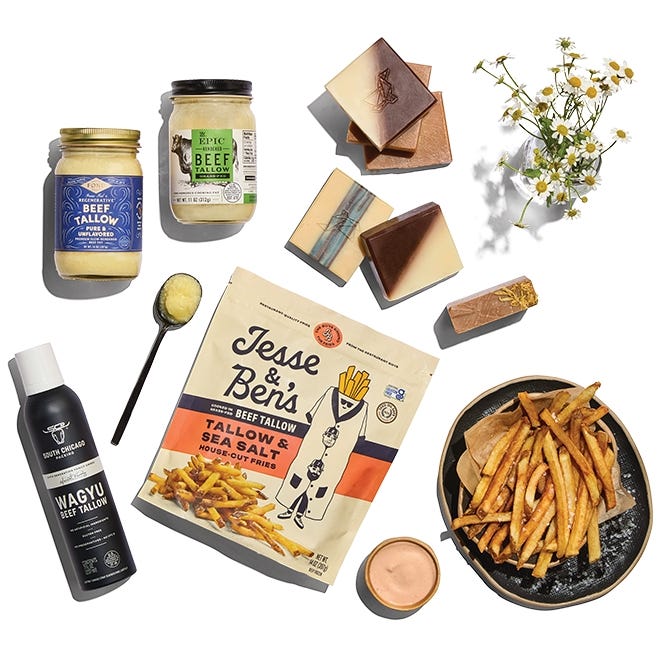
Animal fats are making a comeback, with beef tallow leading the charge. Once pushed aside in favor of vegetable and seed oils, tallow is being re-embraced for its flavor, high smoke point, and ties to traditional cooking.
Whole Foods frames this as part of a broader return to heritage ingredients and more nose-to-tail eating, where fat is no longer something to fear, but something to use thoughtfully.
Source: Whole Foods
2. Focus on Fiber
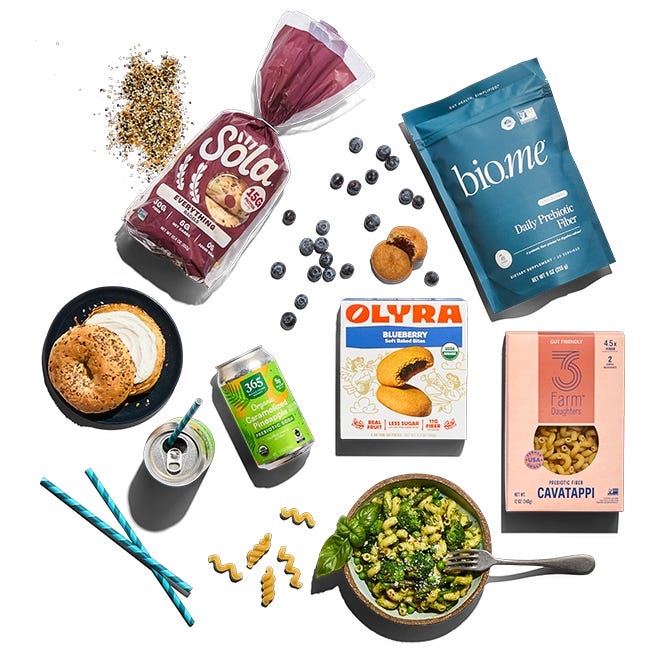
After years of protein obsession, fiber is finally getting its moment. Whole Foods highlights growing consumer awareness around gut health and digestion, driving demand for fiber-rich breads, pastas, snacks, and even beverages.
Source: Whole Foods
3. Year of the Female Farmer
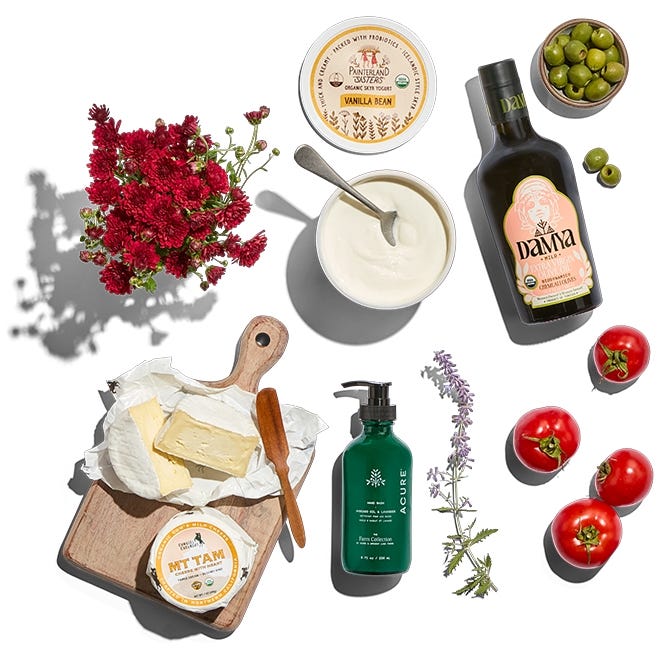
This trend centers on visibility and support for women in agriculture. Whole Foods points to female farmers and producers as critical to the future of food, particularly as the farming population ages and fewer young people enter the field.
Source: Whole Foods
4. Kitchen Couture
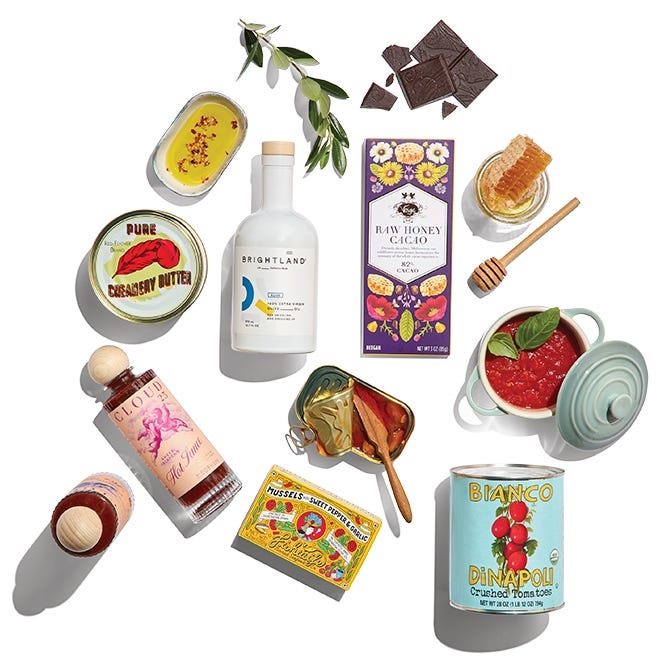
Food is becoming part of the home aesthetic. With “Kitchen Couture,” Whole Foods calls out packaging that’s bold, playful, and design-forward, products that look as good on the counter as they taste.
Pantry staples are no longer meant to be hidden away; they double as décor and self-expression, blurring the line between grocery and lifestyle.
Source: Whole Foods
5. Freezer Fine Dining
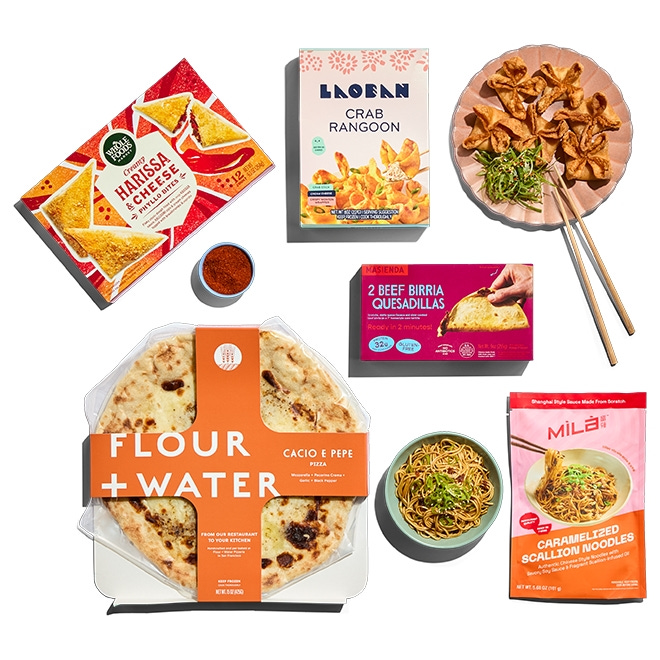
The frozen aisle continues its upgrade. Whole Foods predicts more premium, chef-inspired frozen meals and components that deliver restaurant-quality flavor with minimal effort.
Air fryers, global cuisines, and higher ingredient standards are helping frozen food shake its old reputation and re-emerge as a legitimate weeknight solution.
Source: Whole Foods
6. Very Vinegar
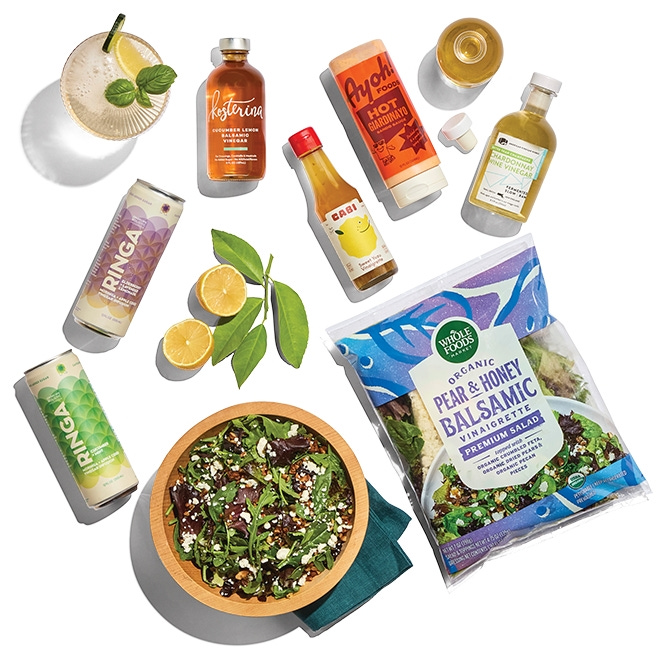
Vinegar is moving far beyond salad dressing. Whole Foods highlights a surge in drinking vinegars, artisanal varieties, and creative vinegar-based condiments. The appeal lies in bold, acidic flavor as well as perceived digestive and functional benefits, making vinegar both a flavor enhancer and a wellness-adjacent ingredient.
Source: Whole Foods
7. Sweet, but Make It Mindful
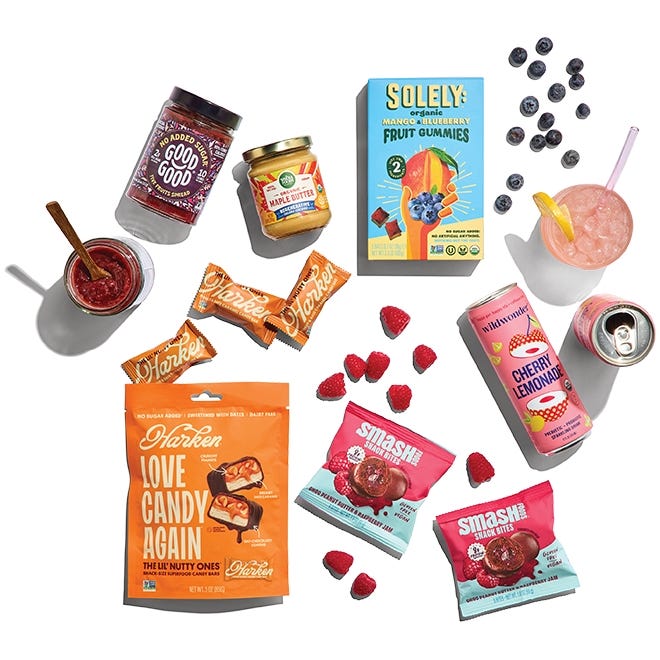
Consumers aren’t giving up sweetness, they’re just being more intentional about it. Whole Foods points to reduced-sugar products and those sweetened with fruit, honey, or maple syrup as shoppers look for indulgence without excess. It’s less about sugar elimination and more about transparency, moderation, and ingredient quality.
Source: Whole Foods
8. Instant, Reimagined
“Instant” no longer means low quality. From upgraded instant noodles to café-style beverages and just-add-water meals, Whole Foods sees convenience getting a clean-label glow-up. Faster food is being reworked with better ingredients and more thoughtful formulations to fit modern, time-pressed lifestyles.
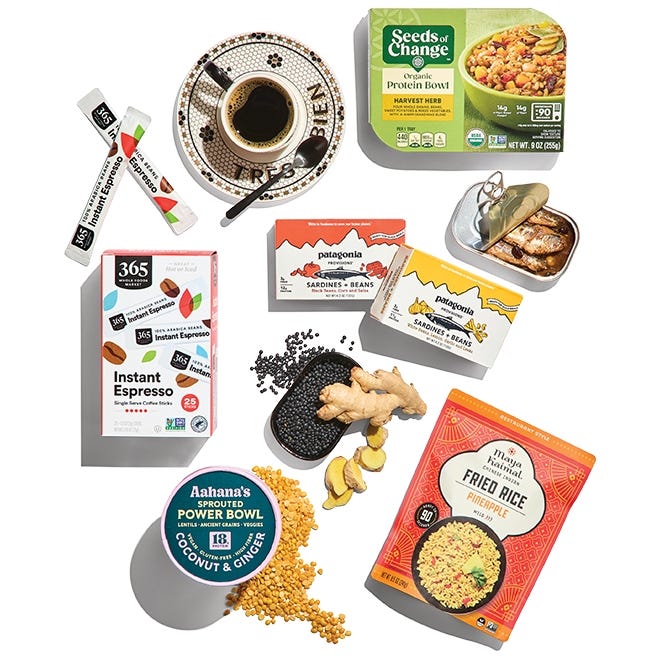
Source: Whole Foods
What I think
Out of the eight trends, Tallow Takeover, Focus on Fiber, Sweet but Make It Mindful and Kitchen Couture feel the most likely to break through in a meaningful way.
Tallow Takeover feels especially credible because it fits into a broader shift toward re-embracing the ingredients we cooked with for generations. As consumers become more skeptical of ultra-processed foods and modern additives, there’s growing trust in fats that feel familiar, time-tested, and simple. Tallow isn’t emerging as a new innovation, but as a return to traditional cooking practices, positioned as flavorful, functional, and minimally processed. In that sense, its rise reflects less of a trend cycle and more of a mindset change: looking backward to move food forward.
Importantly, this shift is happening on top of an already meaningful market. The global beef tallow market is estimated at $14B+ and projected to grow at roughly 5–7% annually, suggesting that renewed culinary interest isn’t creating demand from scratch, but rather expanding how an existing category is used and perceived.
Focus on Fiber feels like a natural evolution of the last decade’s protein obsession. Rather than chasing a single macro, consumers are becoming more aware of overall dietary balance and what’s been missing from modern diets. As gut health becomes more widely understood, fiber is shifting from a background nutrient to a primary consideration.
This shift is also being shaped by growing awareness of GLP-1, the naturally occurring hormone that appetite-suppressing drugs are designed to mimic, and the role fiber can play in supporting the body’s own GLP-1 response through digestion. This isn’t about supplements or extreme health claims, but about quietly rebuilding everyday foods, from bread to pasta to snacks, to be more functional without changing how people eat.
Sweet, but Make It Mindful reflects a similar moderation-driven mindset. Consumers aren’t trying to eliminate sugar altogether, but they are becoming more intentional about where it comes from and how much is used. Reduced-sugar formulations, clearer labeling, and familiar sweeteners like fruit, honey, and maple syrup are increasingly favored over heavily engineered alternatives. The goal isn’t restriction, but trust, indulgence that feels considered rather than excessive.
Kitchen Couture also feels well-timed in an increasingly crowded retail landscape. As shelves become more saturated, packaging has to work harder to earn a consumer’s attention in just a few seconds. Design-forward products don’t just stand out at shelf, they stay visible once brought home, living on countertops rather than being hidden away. In that sense, packaging has become a critical differentiator, not just a branding detail. (Fish Wife is a personal favourite).
Did they get it right last year?
Whole Foods 2025 Predictions:
1. International Snacking – Global flavors move beyond meals into everyday snack formats, bringing bolder, region-specific tastes to chips, crackers, and bites.
2. Ever-Adaptable Dumpling – Dumplings evolve into a flexible canvas, showing up across cuisines, fillings, and formats from freezer to foodservice.
3. Crunch – Texture takes center stage, with consumers seeking extra-crispy, crunchy elements for both indulgence and sensory satisfaction.
4. Hydration Hype – Hydration gets an upgrade, with electrolytes, minerals, and functional add-ins turning water into a wellness product.
5. Tea’s Time – Tea expands beyond traditional hot drinks into ready-to-drink, functional, and culturally inspired formats.
6. Next-Level Compostable – Sustainability moves past recyclable toward compostable packaging and materials designed to reduce waste more meaningfully.
7. More-Sustainable Sips – Beverage brands focus on lower-impact ingredients, sourcing, and packaging to shrink their environmental footprint.
8. Sourdough Stepped Up – Sourdough goes beyond bread, appearing in pastas, crackers, mixes, and pantry staples valued for flavor and fermentation.
9. Plant-Based Aquatic Ingredients – Seaweed, algae, and other aquatic plants gain traction as nutrient-dense, sustainable ingredients.
10. Protein Power-Up – Protein remains relevant but evolves toward cleaner sources, better formats, and more balanced positioning.
Whole Foods was on point with International Snacking, Crunch, Hydration Hype, and Protein Power-Up. Global flavors continued to show up across everyday snack formats, while texture, particularly crunch, became a key driver of indulgence and differentiation. Hydration evolved well beyond plain water, with electrolytes and functional add-ins becoming mainstream rather than niche. Protein also remained foundational, just packaged in more approachable, everyday formats instead of aggressive performance positioning. Plant-Based Aquatic Ingredients had a moment as well, particularly through the rise of sea moss, which moved from niche wellness circles into broader mainstream conversation across beverages, supplements, and functional foods.
That said, several of the most influential food moments of 2025 were driven by culture rather than category. Pistachio emerged as a breakout ingredient, fueled by the viral Dubai chocolate phenomenon and quickly spilling into desserts, beverages, and packaged goods. We also saw a clear return to dairy, with renewed interest in cow’s milk, especially whole-fat, cottage cheese and A2 varieties, as consumers reconsidered ultra-processed alternatives. Non-alcoholic beverages continued their rapid growth, becoming a default option rather than a substitute category. And while not a single trend or product, one of the strongest through-lines of the year was a shift toward cleaner labels and fewer additives, as ingredient scrutiny became a core purchase driver across categories.
Retail trend reports are most useful when they identify and amplify momentum that’s already forming. Whole Foods’ 2026 predictions feels less like a reset and more like a continuation, building on shifts around ingredient trust, functionality, and familiarity that were already underway in 2025. As culture continues to move faster than category definitions, the brands that win won’t just chase trends , they’ll recognize them early, refine them thoughtfully, and scale them at the right moment.